
A Brutally Honest Guide to Alaska in November
Visiting Alaska in November? Get the unfiltered truth on weather, darkness, and what's actually open. This is your essential reality check before you book.
So, you're thinking about Alaska in November? Let's get straight to it. This isn't a casual vacation—it’s an expedition into the early, dark days of a formidable winter. Forget summer brochures; November is a quiet, frozen landscape where the main attraction is the sky. Patience and proper gear aren't optional, they're essential.
Is a trip to Alaska in November actually a good idea?
I'm going to be blunt: for most people, November is a tough time to visit Alaska. It’s not just the "off-season"—it’s the start of a long, dark winter. If you're dreaming of summer hikes, bear sightings, or glacier cruises, stop planning and pick another month. This trip is for a specific kind of traveler: someone who wants solitude, isn't scared of serious cold, and is chasing the Northern Lights.
I still remember my first November trip to Fairbanks. The second I stepped out of the airport, the -15°F air felt like a physical slap. This isn't just "winter"; it's a stark, challenging experience that redefines what you think cold and dark really mean.
What is the daylight really like?
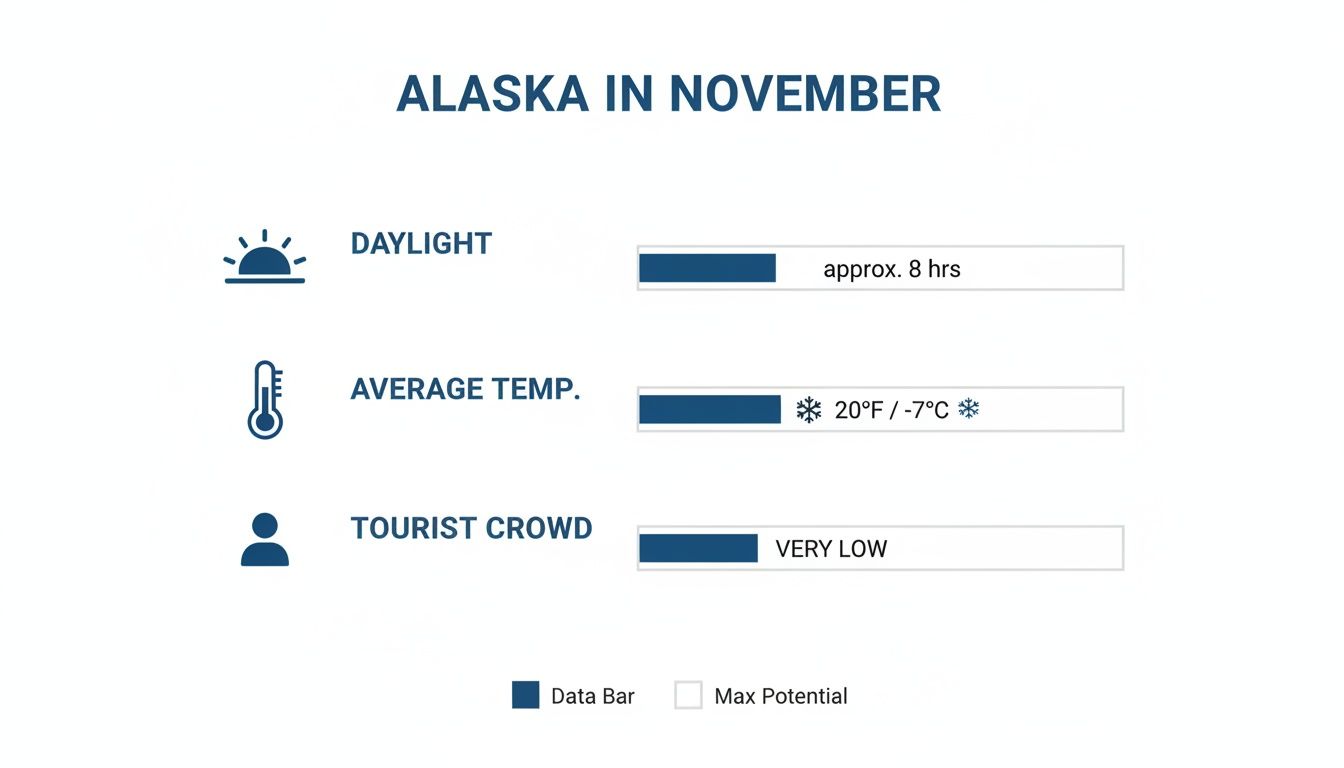
When you hear "limited daylight," don't picture a few dreary days. It means you get maybe five to seven hours of functional light, and for most of it, the sun just skims the horizon. This creates a kind of permanent twilight, casting long shadows and bathing the snow in soft pinks and blues. It’s beautiful, but it forces a total shift in your daily rhythm. You have to plan your day around that short window of light.
Winter travel to Alaska has seen a 5.5% dip recently, which highlights its niche appeal. About 97% of winter visitors fly in because road and ferry travel becomes incredibly difficult. That alone shows how much a November trip relies on logistics centered around hubs like Anchorage or Fairbanks. You can dig into the numbers yourself with these winter travel statistics.
So, what are the actual pros and cons?
What's the payoff for braving the cold and dark? The rewards are few, but they're powerful. Here’s a no-nonsense breakdown:
- Pro: Peak Northern Lights Season. Those long, dark nights are the perfect canvas for the aurora borealis. November is one of the best months to see the show, as long as the skies are clear.
- Con: The Cold is Extreme. We're talking temperatures that regularly plunge well below zero, especially in the Interior. Without the right gear, it goes from uncomfortable to dangerous fast.
- Pro: You'll Have the Place to Yourself. Forget crowds. You'll experience popular spots in near-total solitude. The silence is absolute.
- Con: Almost Everything is Closed. Many restaurants, tours, and visitor centers are shut down. Your options for things to do are seriously limited.
- Pro: Cheaper Flights and Hotels. With demand at rock bottom, you can score good deals on the biggest travel expenses.
A trip to Alaska in November is a test of your preparation and your mindset. The darkness isn't a bug; it's the main feature. If you're looking for a relaxing vacation, book for July. If you’re intrigued by a challenge, let's keep going.
Where should I anchor my trip in November?
First things first: forget your summer travel map. In November, your Alaskan adventure shrinks down to a few key hubs. If you're dreaming of marine tours out of Seward or road trips through Denali, you'll be met with closed signs. Your entire trip should be anchored around the two places built for deep winter: Fairbanks and Anchorage.
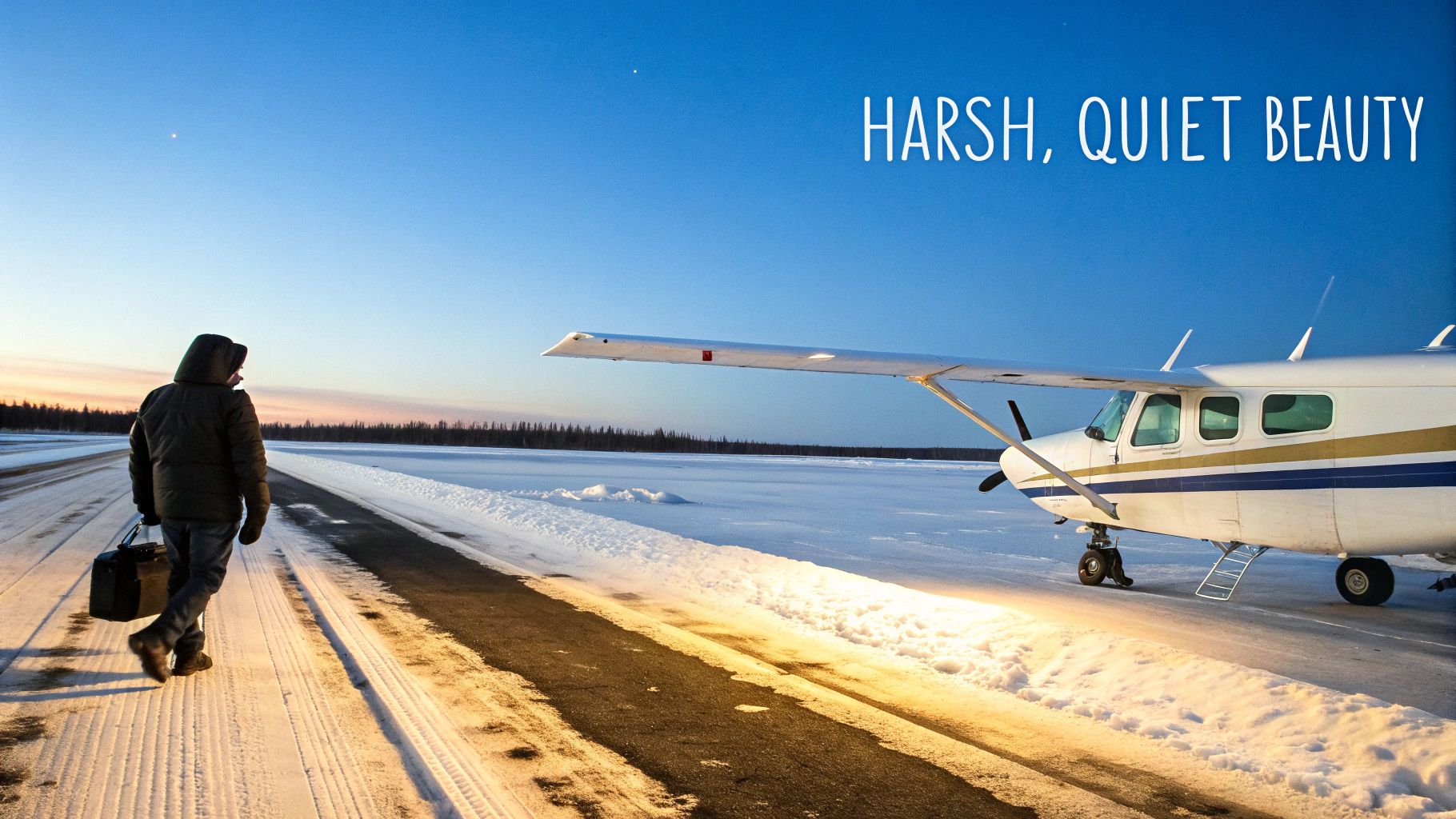
Think of it this way: your itinerary needs to be a laser, not a shotgun. Aim for one or two core locations and soak them in, rather than trying to skim the surface of a vast, mostly shuttered state.
Neighborhood Anchor 1: Fairbanks (The Aurora Champion)
If seeing the Northern Lights is your number one reason for coming—and in November, it should be—then Fairbanks is non-negotiable. The city sits directly under the Auroral Oval, a ring of atmospheric energy where aurora activity is most concentrated. This gives you the best statistical odds of catching a show on any clear night.
Fairbanks is set up for aurora chasers. You can easily drive a short distance out of the city to escape light pollution or head to a spot like Chena Hot Springs. With visitor numbers so low, you get a much more authentic feel. It’s not uncommon for the ratio of locals to tourists at a viewing spot to feel like 10-to-1, a quiet experience that’s impossible in summer. You can see the contrast in the insights on Alaska's visitor patterns.
Neighborhood Anchor 2: Anchorage (The Winter City Hub)
While Fairbanks is about looking up at the sky, Anchorage is your hub for everything else. As Alaska’s largest city, its restaurants, craft breweries, and museums are open for business. It’s the perfect place to base yourself for a few days to enjoy city comforts between winter adventures.
From Anchorage, a few day trips are genuinely doable in November:
- Alyeska Resort in Girdwood: This ski resort often opens in late November. Even before the slopes are fully running, the scenery is worth the drive.
- Matanuska Glacier: This is one of the very few Alaskan glaciers you can drive to and walk on. Guided winter tours are available.
- Local Trails: Maintained trails in places like Kincaid Park offer opportunities for short, crisp winter walks without expedition-level gear.
Pulling together a trip with these constraints can be a headache. If you're struggling to organize your days, the WanderAssist 60-second planner can eliminate the guesswork. It helps you build a custom travel itinerary designed to maximize your limited time, ensuring your trip is realistic, not rushed.
How do I manage the limited daylight hours?
<iframe width="100%" style="aspect-ratio: 16 / 9;" src="https://www.youtube.com/embed/V5miKqfe7FQ" frameborder="0" allow="autoplay; encrypted-media" allowfullscreen></iframe>When you visit Alaska in November, you have to work with the darkness, not against it. Think of your daylight hours as your most valuable resource. You only get a few of them, so you have to spend them wisely. Your entire day needs to revolve around that short window of low-angle sun.
November weather can be intense, with just 6-8 hours of daylight and temperatures that can drop to -10°F. Snowfall can pile up to 20-30 inches, which is great for a quiet walk but requires serious planning for any outing. You can check out reports on Alaska's winter visitation patterns.
A Timing Tip for Structuring Your Day
To keep from feeling rushed, follow the "one big thing" rule for daylight. Maybe that’s a dog sledding tour or a guided ice walk. Once that's done, the rest of the day is for the long, dark hours. This flipped schedule can feel strange, and it can mess with your body clock. It’s a good idea to read up on how to fix jet lag before you go.
Here’s what a smart, well-paced day in November looks like:
- Morning (9 AM - 11 AM): Start slow. Enjoy a warm breakfast at a local cafe. There’s no need to rush out the door into the twilight.
- Daylight (11 AM - 3 PM): This is your primetime. Schedule your main outdoor activity for this window.
- Evening (4 PM Onward): As darkness returns, shift gears. Head indoors to visit the University of Alaska Museum of the North or find a cozy local brewery in Anchorage.
- Late Night (10 PM - 2 AM): In a prime aurora spot like Fairbanks, this is your shift. Get your warm layers on, find a spot away from city lights, and wait for the show.
A Sample 3-Day Plan for Fairbanks
Here’s a realistic 3-day itinerary that balances short days with long nights. Notice how there’s only one major outdoor activity planned each day.
| Day | Daylight Activity (11 AM - 3 PM) | Evening & Night Activity (4 PM onward) |
|---|---|---|
| 1 | Dog Sledding Tour | Dinner, then settle in for Aurora Hunting |
| 2 | Visit Chena Hot Springs Resort | Museum visit, then another round of Aurora Hunting |
| 3 | Short walk at Creamer's Field | Explore local shops & a final warm dinner |
Doing less is the secret to enjoying more in the Alaskan winter. Trying to replicate a summer itinerary will only lead to exhaustion. Let the darkness guide your pace.
The WanderAssist Reality Check
Alright, let's talk real. Other guides might paint a picture of a winter wonderland, but a trip to Alaska in November needs a dose of unfiltered advice. Knowing the truth about costs, tourist traps, and actual conditions is what separates a great adventure from a frustrating headache.
Price Warning: The Real Cost of a Winter Trip
Don't let cheaper flights and hotels fool you—this is not a budget trip. The specialized costs of an Alaskan winter adventure add up fast.
- Gear is a major expense. Renting a proper arctic-rated parka and insulated boots can run you $30-$50 per day. For a week-long trip, you might spend more on rentals than on buying good mid-range gear.
- Tours aren't cheap. Guided activities like dog sledding or glacier tours are often the smartest and safest way to go. But they come at a premium price, often starting around $150-$250 per person for a half-day tour.
- The right vehicle is non-negotiable. You need a 4WD or AWD vehicle, which always comes with a higher daily rate. Trying to save money on your car rental is a huge safety risk.
This table breaks down whether it's better to rent or buy your essential winter gear.
| Gear Item | Tourist Rental Price (Per Day) | Local Purchase Price (Mid-Range) | The Smart Move |
|---|---|---|---|
| Arctic-Rated Parka | $20 - $30 | $250 - $400 | Rent for a short trip (under 5 days). Buy if you live in a cold climate. |
| Insulated Snow Pants | $15 - $25 | $150 - $250 | Rent for a one-off trip. Buy if you're a skier or enjoy other winter sports. |
| Sub-Zero Boots | $15 - $20 | $150 - $200 | Rent if you're from a warm climate. Buy if you need reliable winter boots anyway. |
| Ice Cleats/Crampons | $5 - $10 | $25 - $75 | Buy. They're cheap, lightweight, and essential. A 3-day rental costs as much as buying them. |
The Northern Lights Tourist Trap
Be very wary of generic "Northern Lights Tours." Many are just overpriced van rides that drive you a few miles out of town to a crowded lot and charge you $100+ per person. You're paying for an expensive taxi, not a genuine experience. A legitimate aurora tour should offer more than just transportation. Look for guides who provide photography lessons, explain the science, and take you to truly remote, dark-sky locations. Even better, rent that 4WD and hunt for them yourself.
How do I stay warm and drive safely?
Look, showing up in Alaska in November with your normal winter coat is a recipe for a miserable trip. This isn't about being chilly; it’s about staying safe when it can drop to -20°F without warning. Your packing strategy has one golden rule: cotton is the enemy. Once it gets wet, it stays wet, saps your body heat, and freezes. Wool and synthetics are your best friends here.
What should I pack for the Alaskan cold?
The secret is layering—but with the right kinds of layers.
- Base Layer: Start with merino wool or synthetic long underwear. It pulls moisture away from your skin.
- Mid Layer: Next, a fleece jacket or a puffy down vest. This is your insulation.
- Outer Layer: Your final shield is a high-quality parka that's both windproof and waterproof.
- Extremities: You need insulated, waterproof boots rated for at least -20°F, a warm hat, a balaclava, and insulated mittens (they’re much warmer than gloves). A few packs of chemical hand warmers are a cheap and brilliant backup.
I've put together a complete list for packing for a trip that details everything you'll need without overpacking.
How do I navigate icy roads?
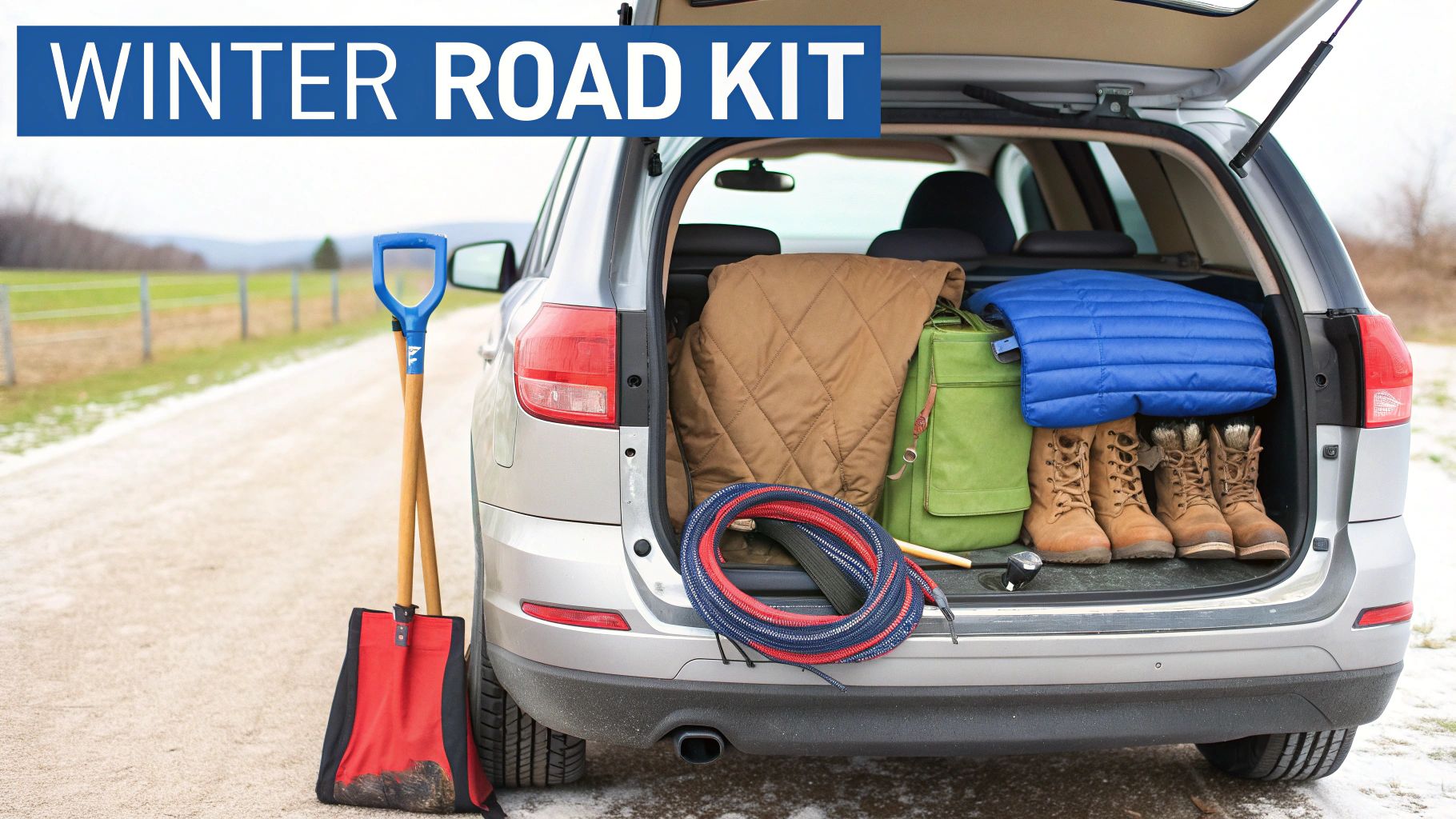
When you rent a car, you absolutely need a vehicle with 4WD or AWD and good winter tires—studded ones are even better. Roads outside the main cities are often covered in black ice, a nearly invisible sheet of ice that can send you spinning. Before you head out of town, put an emergency kit in your car. This isn't paranoid; it's smart. Pack extra blankets, water, snacks, a flashlight, and a portable power bank. The intense cold drains batteries—car and phone—at a shocking speed.
The driving mantra is simple: slow down. Leave way more space between you and the car in front than you think you need.
Your November Alaska Questions Answered
Let's tackle some of the most common questions to make sure you know exactly what you’re getting into.
Can I see bears or whales in November?
Almost definitely not. The bears are hibernating, and the whales have migrated south. You’ll be looking for Alaska’s tough year-round residents instead. Moose are a frequent sight, sometimes right in Anchorage. You might see caribou or Dall sheep, but think of it as a rare treat, not a given.
Is it worth renting a car?
Yes, but with a big asterisk. A car gives you freedom, especially for chasing the Northern Lights near Fairbanks on your own schedule. However, you absolutely must rent a 4WD or AWD vehicle with winter or studded tires. If you have no experience driving on snow and ice, seriously consider skipping the rental. Local shuttles or guided tours are a much safer bet.
How likely am I to see the Northern Lights?
Your chances are good, but never guaranteed. November offers the long, dark nights essential for aurora viewing. You also need clear skies and a strong aurora forecast. The best strategy is to spend at least 3-4 nights in a prime location like Fairbanks and be ready to stay up late. The magic often happens between 10 PM and 2 AM, so patience is key.
Feeling like planning a November trip to Alaska is a puzzle? The WanderAssist 60-second planner can help put the pieces together. It builds a realistic, day-by-day itinerary that balances the short daylight hours with amazing nighttime activities. Stop guessing and start exploring at https://wanderassist.com.