
A Skeptic's Guide to Sedona Weather by Month (2026 Edition)

Forget the brochures. Get a real local's guide to Sedona weather by month, including crowd levels, pricing, and what to actually pack for each season.
Here’s the truth: planning a trip to Sedona based on a simple temperature chart is a rookie mistake. Most guides show you the average high and low but won’t tell you a "perfect" 75°F day in April feels nothing like a 75°F day in October, thanks to different sun angles and wind. They also don't prepare you for the microclimates, where Oak Creek Canyon can be 15 degrees cooler than Cathedral Rock at the same time.
This guide breaks down what each month actually feels like on the ground. You'll get the real story on crowd levels, how monsoon season wrecks trail access, and when you can find solitude just by starting your hike an hour earlier. Forget abstract advice; this is a playbook for timing your visit right. Last time I was there in August, I watched a dozen hikers start for Devil's Bridge at 1 p.m., totally unprepared for the monsoonal downpour that hit an hour later. This guide is built to help you avoid that exact situation.
Is January a Good Time to Visit Sedona?
January in Sedona offers a crisp, cool desert experience most visitors skip. It's a solid escape from harsher winter climates, with daytime highs between 50-60°F (10-16°C). Mornings are cold, often near freezing, but the clear skies and sharp visibility are a photographer's dream. The weather is generally dry, though a light dusting of snow on the red rocks is a rare and impressive sight.
January Timing Tips & Activity Plan
The key to a good January trip is timing your day. The sun is surprisingly strong even when the air is cool.
- Morning Hikes (7-9 am): Beat the crowds and get the crispest air on trails like Cathedral Rock or Boynton Canyon. The early light creates dramatic shadows.
- Afternoon Exploration (2-5 pm): When trail parking lots fill up, shift indoors. This is the window to check out the art galleries in Tlaquepaque Arts & Shopping Village or the Sedona Heritage Museum.
- Sunset Views (5:00-5:30 pm): Plan your sunset at Airport Mesa. Get there early and bring layers; the temperature drops the second the sun disappears.
The WanderAssist Reality Check: Don't underestimate the January sun. A 60°F day feels much warmer on an exposed trail, and the temperature can plummet 20 degrees in minutes after sunset. Layers aren't a suggestion; they're a requirement.
Is February Less Crowded Than January?
February extends the pleasant, cool-weather window, making it a good time for visitors seeking value and smaller crowds. Daytime temperatures are a bit warmer, typically 52-62°F (11-17°C). A look at Sedona weather by month shows February is a sweet spot, offering the crisp air of winter without the deepest chill. While rain is possible, it’s mostly dry, setting you up for good outdoor conditions before the spring break crowds hit.
February Timing Tips & Activity Plan
Fewer people in February means more flexibility, but a smart schedule still pays off.
- Morning Hikes (8-10 am): You can start a bit later to take advantage of warmer mornings. Trails like Devil's Bridge or Soldier Pass are more accessible, but an early start still guarantees parking and solitude.
- Midday Exploration (12-3 pm): Use the warmest part of the day to drive through quieter residential areas like the Chapel district or West Sedona to see the architecture against the red rocks.
- Late Afternoon Views (3-5 pm): As the day cools, head to viewpoints. This is a great time to visit the Chapel of the Holy Cross after the tour buses have left.
The WanderAssist Reality Check: Don't let the "shoulder season" label fool you; weekends can still get busy. Lower accommodation prices draw in last-minute travelers. Check the forecast 3-4 days out, as an unexpected rain shower can make slick rock trails treacherous.
When Do Wildflowers Bloom in Sedona?
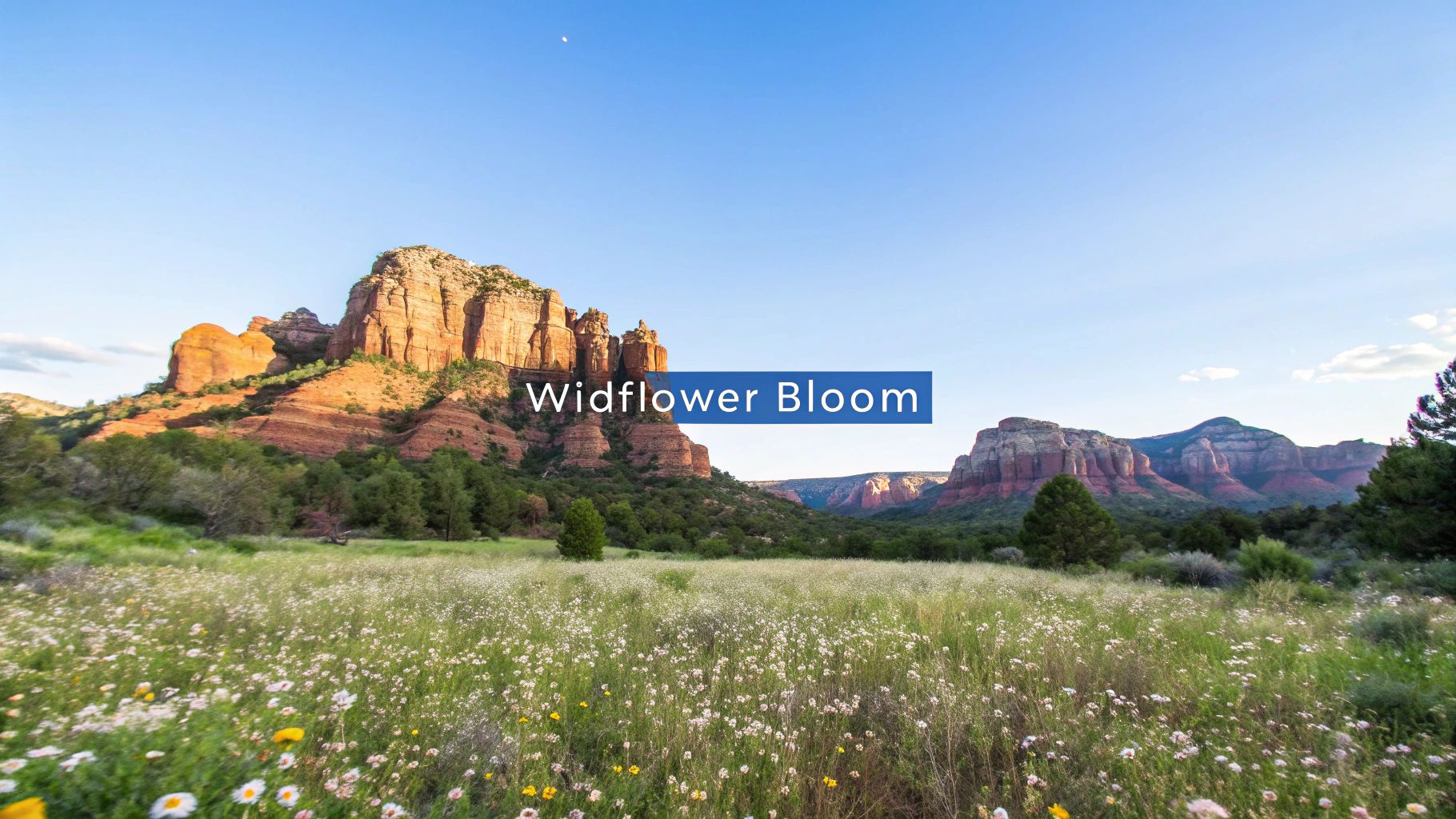
March is when the landscape starts waking up. This month signals the shift from cool winter to spring, with highs climbing into the 60-70°F (16-21°C) range. The midday sun feels noticeably warmer. The sedona weather by month progression is obvious in March as wildflowers start to appear, especially from the middle of the month onward.
March Timing Tips & Activity Plan
Crowds swell in March with spring breakers, so a plan is essential. An hour can be the difference between a peaceful hike and a parking lot traffic jam.
- Morning Wildflower Hunt (7-9 am): Get to wildflower spots like the Bell Rock Pathway or Courthouse Butte Loop before the masses. Peak times from 10 am to 3 pm see way more hikers.
- Midday & Weekday Hikes (12-3 pm, Tue-Thurs): If you can't go early, aim for a midweek hike. Trails will be less congested than on weekends. This is a good time for less-trafficked trails in West Sedona.
- Golden Hour Photography (5:45-6:15 pm): March has a great, extended golden hour. Plan your sunset at Red Rock Crossing or Airport Mesa. The longer daylight gives you more flexibility than in winter.
The WanderAssist Reality Check: Price Warning: Don't just show up to Cathedral Rock expecting to park. After 10 am, especially mid-month, you'll wait 30-45 minutes for a spot or be forced to turn around. The "one-car-out, one-car-in" policy is strictly enforced and will ruin your schedule if you don't plan for it.
Is April the Best Month to Visit Sedona?
April is the sweet spot many travelers aim for, offering a balance between pleasant warmth and spring blooms. Highs are genuinely comfortable, settling between 68-78°F (20-26°C), ideal for a full day outside. The chill is gone, replaced by sun-filled afternoons. The Sedona weather in April delivers optimal conditions for almost any activity, from tough hikes to relaxed patio dining, without the oppressive heat of summer.
April Timing Tips & Activity Plan
Success in April means managing moderate crowds and respecting the sun's growing strength. The midday sun on exposed trails can be deceptively intense.
- Morning Hikes (7-9 am): This is your non-negotiable window for popular trails like Devil's Bridge or Cathedral Rock. Arrive early for parking and finish the hard parts before the sun is high and the crowds peak.
- Afternoon Relief (1-4 pm): As the day heats up, switch to shaded areas. This is the perfect time to explore the cooler, tree-lined paths of Oak Creek Canyon or find a spot in Tlaquepaque.
- Sunset Dining (6:30-7:00 pm): Book a patio spot around this time to watch the red rocks glow during the golden hour without the evening chill of earlier months.
The WanderAssist Reality Check: Don't confuse "pleasant" with "weak." The April sun has a real bite. A 75°F day feels like 90°F on an unshaded trail like Courthouse Butte. Sunscreen, a wide-brimmed hat, and carrying more water than you think you need are not optional.
Is Sedona Too Hot in May?
May marks the transition from pleasant spring to the edge of summer heat. Highs climb into the 85-92°F (29-33°C) range, making midday hikes a serious undertaking. The Sedona weather in May is reliably dry and sunny, but the real advantage is a noticeable dip in crowds. With spring breakers gone, it's a window to see popular sites with more solitude if you can handle the heat.
May Timing Tips & Activity Plan
Success in May hinges on avoiding the midday sun. Your entire schedule should revolve around early-morning and late-evening activities.
- Morning Hikes (6-9 am): This is your only window for any real trail activity. Be at trailheads like Devil's Bridge at sunrise to hike in cooler temperatures and find parking.
- Midday Retreat (12-4 pm): This period is for indoor pursuits only. Escape the heat at the Sedona Arts Center, Tlaquepaque galleries, or a long, air-conditioned lunch. Any exposed outdoor activity is a bad idea.
- Evening Exploration (5:30-8:30 pm): As temperatures drop, head back out. A gentle sunset stroll along the creek at Crescent Moon Picnic Site or watching the colors from Airport Mesa Overlook is perfect.
The WanderAssist Reality Check: Dehydration is a serious risk in May. A standard water bottle isn't enough. You need a minimum of 5 liters of water per person for any hike. Many trails have zero water, and the dry heat dehydrates you fast. Reapply sunscreen every two hours, without fail.
How Hot is Sedona in June?
June is the true start of summer, bringing hot, dry days that demand respect. Temperatures consistently climb into the 92-102°F (33-39°C) range. The opportunity, however, is in the timing. Early June offers a brief, quiet window before most schools let out, meaning fewer crowds. This month rewards early risers.
June Timing Tips & Activity Plan
Success in June is all about heat management. Structure your day with an early start and a long afternoon break.
- Morning Hikes (5:30-9 am): This is your only window for outdoor activity. Start trails like Devil's Bridge at sunrise. By 10 am, the rock and sand radiate intense heat, making hiking unsafe.
- Afternoon Retreat (11 am-5 pm): Plan to be indoors. This is the time for a long lunch, exploring air-conditioned galleries at Tlaquepaque, or visiting the Sedona Heritage Museum.
- Evening Exploration (6:30-9 pm): As the sun sets, the temperature can drop 20 degrees or more. This is a great chance for a late stroll, patio dining, or capturing the golden hour from Crescent Moon Picnic Site.
The WanderAssist Reality Check: Do not underestimate June's heat. A 95°F day feels way hotter on an exposed trail. Aggressive hydration isn't a suggestion; it's a requirement. Drink water every 15 minutes, even if you don't feel thirsty, and wear a wide-brimmed hat.
Is July a Bad Month for Sedona?
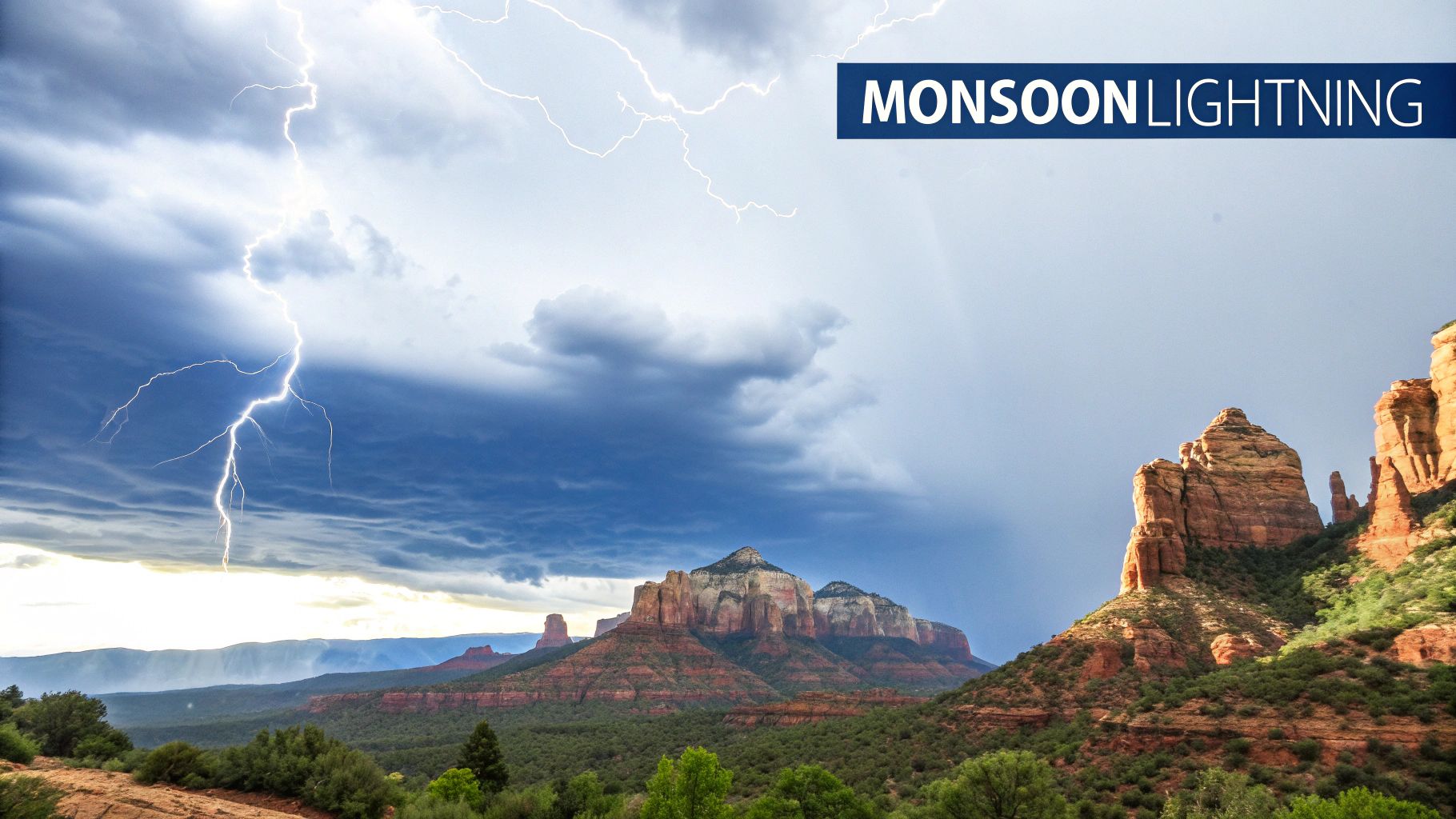
July is a month of extremes, delivering the year's highest temperatures and the dramatic start of monsoon season. It’s a paradox for travelers. While highs push past 100°F (38°C), the intense heat drives many visitors indoors. This creates quieter trails during the hottest parts of the day for those who plan meticulously.
July Timing Tips & Activity Plan
Success in July means a split-day schedule that avoids peak sun and respects the monsoon’s volatility. The Sedona weather in July demands an early start and a late finish.
- Morning Hikes (6-8:30 am): This is your only safe window for exertion. Trails like Soldier Pass must be started at dawn and finished before 9 am.
- Midday Retreat (12-4 pm): This period is non-negotiable for indoor activities. Seek air-conditioned spaces like the Sedona Arts Center, local spas, or Tlaquepaque shops. Don't attempt any strenuous outdoor activity.
- Evening Exploration (6:30-9 pm): Monsoon storms often clear by early evening, leaving cooler air and spectacular post-rain skies. It's a perfect time for a stroll through Uptown or a relaxed dinner.
The WanderAssist Reality Check: The monsoon isn't just rain; it's a serious weather event. Storms develop fast, and flash floods are a real danger. Monitor the weather radar hourly, and if you hear thunder, get to lower ground and shelter. Never cross flowing water.
What's the Monsoon Season Like in August?
August continues the summer heat but with a predictable monsoon pattern smart travelers can use. Highs consistently reach 98-102°F (37-39°C), but this month also sees the most rainfall. This combo drives away many visitors, causing crowds to drop, especially in the last half of the month. It's a unique opportunity for solitude if you adapt to the monsoon's rhythm. The Sedona weather in August is a game of timing.
August Timing Tips & Activity Plan
Success in August requires a schedule dictated by the sun and afternoon storms. The daily pattern is consistent: clear, hot mornings followed by dramatic, cloud-filled afternoons that lead to thunderstorms.
- Morning Hikes (6-8:15 am): This is your only safe window. Start at dawn to finish before the oppressive heat sets in. Midday hiking is dangerous.
- Indoor Afternoon (12-4 pm): Plan your indoor activities for this block. Explore the galleries at Tlaquepaque. The monsoon storms reliably roll in between 2-5 pm, so being inside is essential.
- Evening Cool-Down (6-9 pm): The rain usually clears by 6 pm, washing the air and causing temperatures to drop. It’s a perfect time for dinner on a patio or a stroll through Uptown.
The WanderAssist Reality Check: Don't underestimate the monsoon. These are heavy downpours with lightning. Avoid any trails with flash flood potential, like canyons or dry creek beds. Always carry a waterproof bag for electronics, as storms can appear with little warning.
Is September a Good Month to Visit Sedona?
September is a transition month, offering extended summer heat while hinting at fall. As the monsoon wanes, the weather stays warm, with highs between 85-95°F (29-35°C). The afternoon storms of August become less frequent, meaning lower humidity. Tourist traffic dips after Labor Day, creating a brief window before autumn crowds arrive, making it a good time to experience the Sedona weather by month without the peak season rush.
September Timing Tips & Activity Plan
The key to September is taking advantage of the slightly cooler mornings and post-Labor Day lull. The sun is still powerful, but the hiking window is a bit more forgiving.
- Morning Hikes (6-9 am): The heat is still a factor. Start early on trails like Devil's Bridge. You can often hike comfortably until 10 am, a nice extension from July and August.
- Mid-Month Booking (Sept 7-15): This is the sweet spot for value. After the Labor Day surge, crowd levels and prices drop. Booking during this period can lock in lower rates before the fall price hike.
- Evening Exploration (5:30-9 pm): The cooling effect after a sunset creates a long, comfortable window for evening activities like a late stroll through Uptown or dinner on a patio.
The WanderAssist Reality Check: Don't get complacent with the "waning" monsoon. Storms can still develop unpredictably, especially in the first half of the month. Always check the daily forecast before heading out, as flash floods remain a real risk.
How Crowded is Sedona in October?
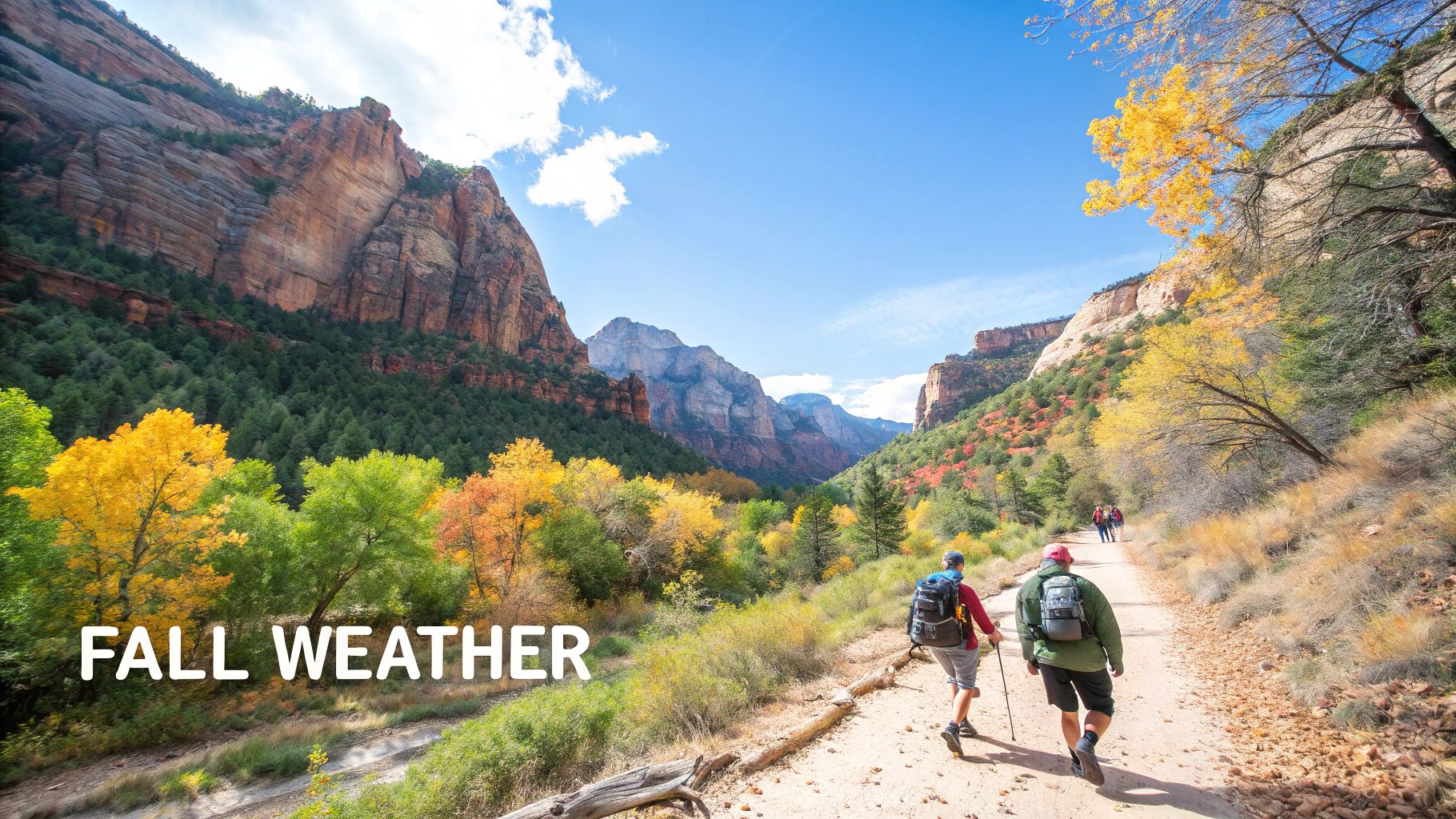
October is when Sedona is at its best, marking the transition into fall. The monsoon is a memory, replaced by crisp air and some of the most pleasant conditions of the year. Highs are idyllic, between 70-80°F (21-27°C), perfect for all-day adventures. The humidity plummets, and the skies are often a brilliant blue, making sedona weather by month in October a top contender.
October Timing Tips & Activity Plan
The secret is out on October's weather, so planning is non-negotiable to beat the crowds. Accommodations often require booking months in advance. Similar to the fall scene in New York in October, Sedona's landscape draws visitors from everywhere.
- Morning Hikes (7-9 am): This is your window for solitude on iconic trails. Hit Devil's Bridge or Cathedral Rock before 10 am to avoid long lines later.
- Midday Cultural Break (11 am-3 pm): As trails get congested, retreat to town. This is the ideal time to explore Uptown or Tlaquepaque while hiking crowds are at their peak.
- Sunset & Foliage (5:15-5:45 pm): Drive up Oak Creek Canyon mid-to-late month for fall foliage. For sunsets, find your spot early and bring layers for the quick temperature drop.
The WanderAssist Reality Check: Price Warning: Don't assume you can be spontaneous in October. I once tried booking a mid-week hotel two weeks out and found prices had tripled and availability was near zero. Book everything, including dinner reservations, at least 3-4 months in advance. The "perfect" weather comes at the price of intense demand.
What is the Weather Like in November?
November offers what many consider the best overall Sedona experience, blending near-perfect fall temperatures with more manageable crowds. Highs are idyllic, typically 60-70°F (16-21°C), creating comfortable conditions for all-day adventures. This month shows the tail end of autumn's splendor, particularly in Oak Creek Canyon. The Sedona weather in November is reliably dry and clear.
November Timing Tips & Activity Plan
With cooler temperatures and good daylight, your schedule opens up. The biggest variable is Thanksgiving, which brings a surge in visitors.
- All-Day Hiking Window (8 am - 4 pm): Unlike summer, the mild November sun allows for longer hikes. For the best value, visit in the first two weeks. Weekdays are consistently less crowded.
- Foliage Chase (Mid-Month): The prime window for fall color in Oak Creek Canyon is typically November 15-25. Drive the scenic route mid-morning on a weekday to avoid traffic.
- Sunset & Stargazing (5:00-5:30 pm): Plan your sunset at Bell Rock or Airport Mesa. Temperatures drop swiftly after sunset, so a light jacket is essential.
The WanderAssist Reality Check: Don't assume "off-season" means empty. Thanksgiving week (roughly Nov 20-30) is a mini peak season. If you plan to travel then, book accommodations 4-5 weeks in advance and expect weekend-level crowds on trails. For a quieter, cheaper trip, aim for the first half of the month.
Is December a Good Time to Visit Sedona?
December in Sedona offers a blend of festive spirit and cool, crisp winter air. Highs are pleasant, typically 50-65°F (10-18°C), making it comfortable for daytime activities. The month is sharply divided: the first half is quiet and affordable, while the second half explodes with holiday crowds and peak-season pricing. The Sedona weather in December is generally sunny, but occasional winter rain or even a rare dusting of snow can occur.
December Timing Tips & Activity Plan
Success in December hinges on which half of the month you visit. Early December offers value; late December is for the bustling holiday experience.
- Morning Hikes (8-10 am): With a later sunrise, you can start a bit later. Trails like Bell Rock Pathway get full sun, warming you up quickly. The low winter light is phenomenal for photos.
- Afternoon Festive Focus (1-4 pm): This is the time to explore Sedona's festive side. Visit the decorated Tlaquepaque Arts & Shopping Village or check out local art galleries.
- Sunset & Stargazing (4:45-5:15 pm): The sun sets early. Find your spot by 4:45 pm. Once the sun is down, the temperature drops fast, but the clear, cold nights offer some of the year's best stargazing.
The WanderAssist Reality Check: Price Warning: The cost and crowd difference between the first and second half of December is extreme. A hotel room on December 12th could be half the price of the same room on December 26th. If you visit after the 15th, book months in advance as they often sell out by October.
12-Month Sedona Weather Comparison
| Month | 🔄 Planning Complexity | 💡 Resources & Prep Needs | ⭐ Expected Experience Quality | 📊 Ideal Use Cases | ⚡ Key Advantages |
|---|---|---|---|---|---|
| January: Cool Desert Escape | Medium — advance booking (4-6 wks) | Book early; layers for evenings; low water needs | ⭐⭐⭐⭐ | First-time visitors, photographers, family outings | Clear skies, comfortable hiking, excellent visibility |
| February: Extended Winter Window | Low–Medium — flexible (2-3 wks) | Moderate booking; check occasional showers; layers | ⭐⭐⭐⭐ | Budget-conscious couples, quieter exploration | Lower prices, fewer crowds, good hiking conditions |
| March: Spring Transition with Wildflower Potential | Medium — timing-sensitive (wildflowers) | Book ~3 wks; monitor bloom reports; early starts | ⭐⭐⭐⭐½ | Nature photographers, spring enthusiasts | Wildflower displays, longer daylight, great photos |
| April: Prime Spring Season with Moderate Crowds | Medium — steady demand (2-3 wks) | Book 2-3 wks; bring extra water; shade strategy | ⭐⭐⭐⭐⭐ | Families, mixed-activity travelers, hikers | Optimal temps, vibrant wildflowers, extended activities |
| May: Late Spring Heat Threshold | Medium–High — heat scheduling needed (1-2 wks) | Early-morning hikes; 4–5 L water; sunscreen SPF50+ | ⭐⭐⭐⭐ | Heat-tolerant couples, value seekers | Fewer crowds, lower prices, long sunsets |
| June: Early Summer with Pre-School Break Calm | High — strict heat windows & early starts | Very early hikes (5:30am); 5–6 L water; sun protection | ⭐⭐⭐ | Budget travelers with heat experience | Lowest pre-summer prices, solitary trails early month |
| July: Peak Summer Heat with Maximum Value | High — monsoon & heat risk (book early) | Hike 6–8:30am; 6–8 L water; monitor storms/flash floods | ⭐⭐½ | Experienced desert travelers, storm photographers | Dramatic monsoon storms, early-morning solitude |
| August: Peak Monsoon with Reduced Competition | High — daily storm rhythm, flexibility needed | 6–8am hikes; waterproof gear; 5–6 L water; flexible plans | ⭐⭐⭐ | Budget solo travelers tolerant of heat/monsoon | Low prices, uncrowded trails, striking storm photography |
| September: Monsoon Transition with Extended Summer | Medium — good value early month | Early hikes; check weather; 4–5 L water on trails | ⭐⭐⭐⭐ | Last-summer budget trips, late-summer solitude | Reduced monsoon intensity, continued value |
| October: Fall Arrival with Optimal Conditions | Medium — higher demand (book 3-4 wks) | Reserve lodging early; moderate layers; normal water | ⭐⭐⭐⭐⭐ | First-time visitors, families, fall foliage seekers | Ideal temps, clear days, great hiking & foliage |
| November: Fall Perfection with Manageable Crowds | Medium — variable (Thanksgiving surge) | Book 2-3 wks (4-5 wks for Thanksgiving); light layers | ⭐⭐⭐⭐½ | Families, couples, full-day hikers | Peak foliage, comfortable all-day exploration |
| December: Holiday Season with Winter Arrival | Medium–High — bifurcated demand (early vs late) | Early Dec book 2-3 wks; late Dec book 8-10 wks; layers, check forecasts | ⭐⭐⭐⭐ | Early-December value seekers; holiday travelers late-month | Holiday events, comfortable winter hiking early month |
So, When Should You Actually Go to Sedona?
After breaking down the entire calendar, here's the bottom line: Sedona doesn't have a single "best" time to visit, only a best time for you. It all depends on what you're willing to trade. Will you brave a winter chill for empty trails and lower prices in January? Or do you prefer the postcard warmth of October, knowing you'll share the view with peak crowds? Understanding the Sedona weather by month is less about finding a perfect window and more about managing expectations.
Last time I planned a trip for a heat-averse friend, we chose late November. The daytime highs were perfect for hiking, holiday decorations were up, and we booked a great spot with a fireplace without the spring or fall price tag. It was a strategic choice, not a lucky guess.
Key Takeaways for Smart Sedona Planning
Navigating Sedona's climate is a game of strategy. Here’s what you need to know:
- The "Shoulder Season" Sweet Spots: April and October are famous for a reason, but the real value is in the months right next to them. March offers a glimpse of spring with fewer people, while early May has great hiking weather before the summer heat. Early November delivers that crisp autumn feel with a big drop in crowds.
- Summer is a Different Beast: Don't write off July and August. It's hot, sure. But the monsoon brings dramatic skies, the smell of creosote after rain, and the lowest competition for hotels and restaurants. Your itinerary just needs to shift: sunrise hikes, midday gallery hopping, and late-afternoon creek-side relaxing.
- Winter Offers Solitude, Not a Snowpocalypse: A "dusting" of snow is possible, but Sedona’s winters are mild and sunny compared to most of the country. This is your chance to see the quiet beauty of the red rocks without the tourist traffic. Just pack layers.
The WanderAssist Reality Check: The biggest mistake people make is underestimating the sun's intensity, no matter the month. An 85°F day in May feels way hotter under the direct Arizona sun than it does elsewhere because of the dry air and elevation. Hydration isn't a suggestion; it's a requirement for a safe trip.
Ultimately, a successful Sedona trip is an informed one. By understanding the personality of each month, you can move beyond a generic vacation. You can craft an experience that aligns with your budget, your tolerance for crowds, and your ideal adventure. The red rocks are always here, but mastering the Sedona weather by month ensures you see them at their best for you.
Feeling the planning fatigue? Stop juggling a dozen browser tabs and let WanderAssist build a custom, reality-aware itinerary. We use this exact month-by-month logic to create smart schedules that avoid crowds and maximize your time, so you can focus on the experience, not the logistics. Check out the WanderAssist 60-second planner and get a trip plan that works.